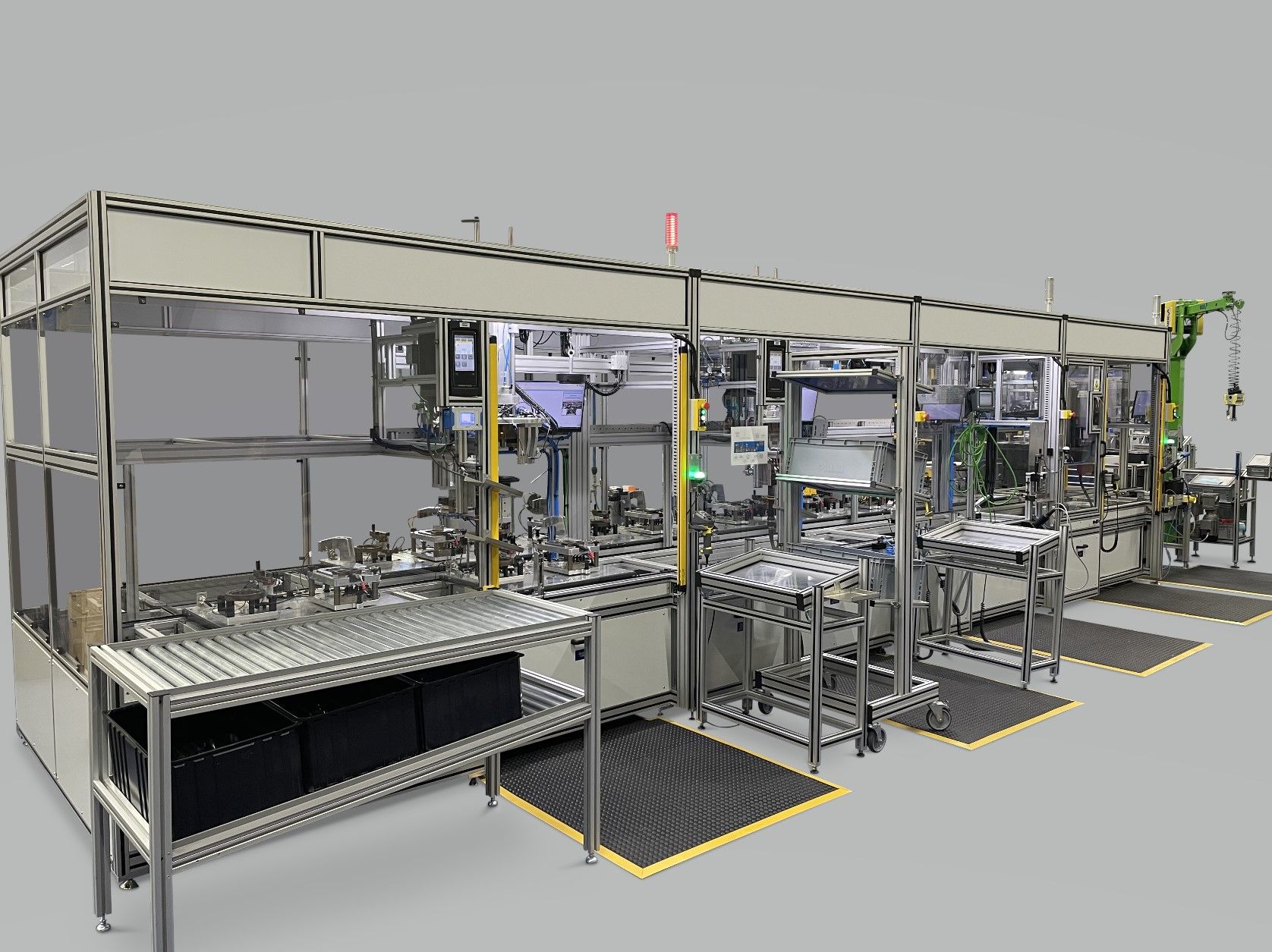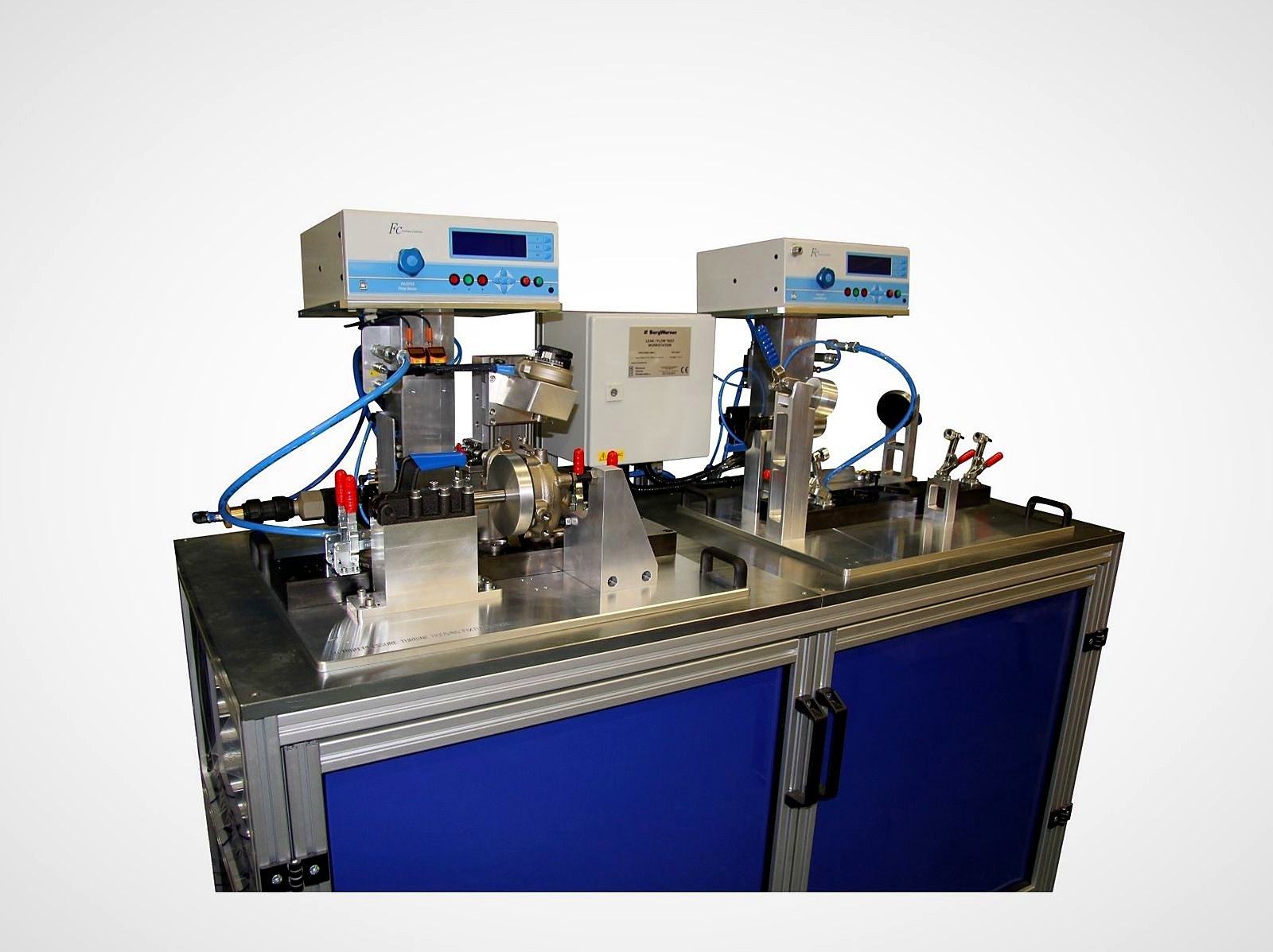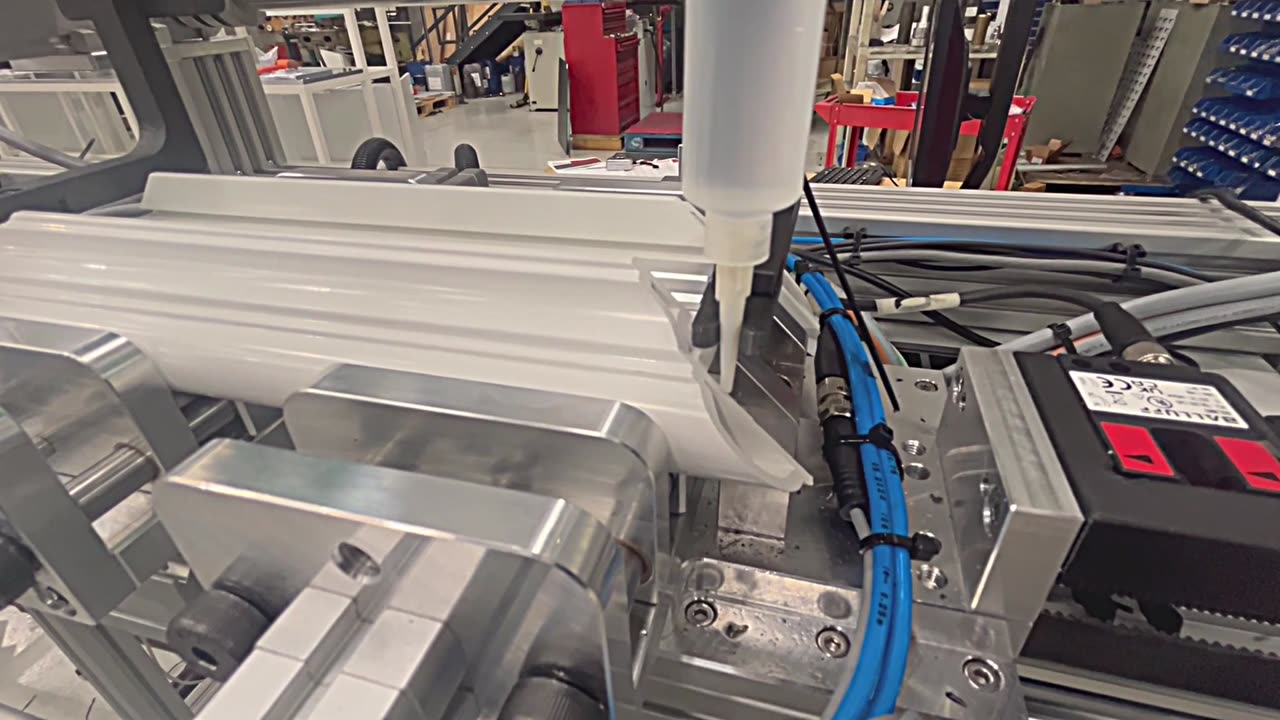
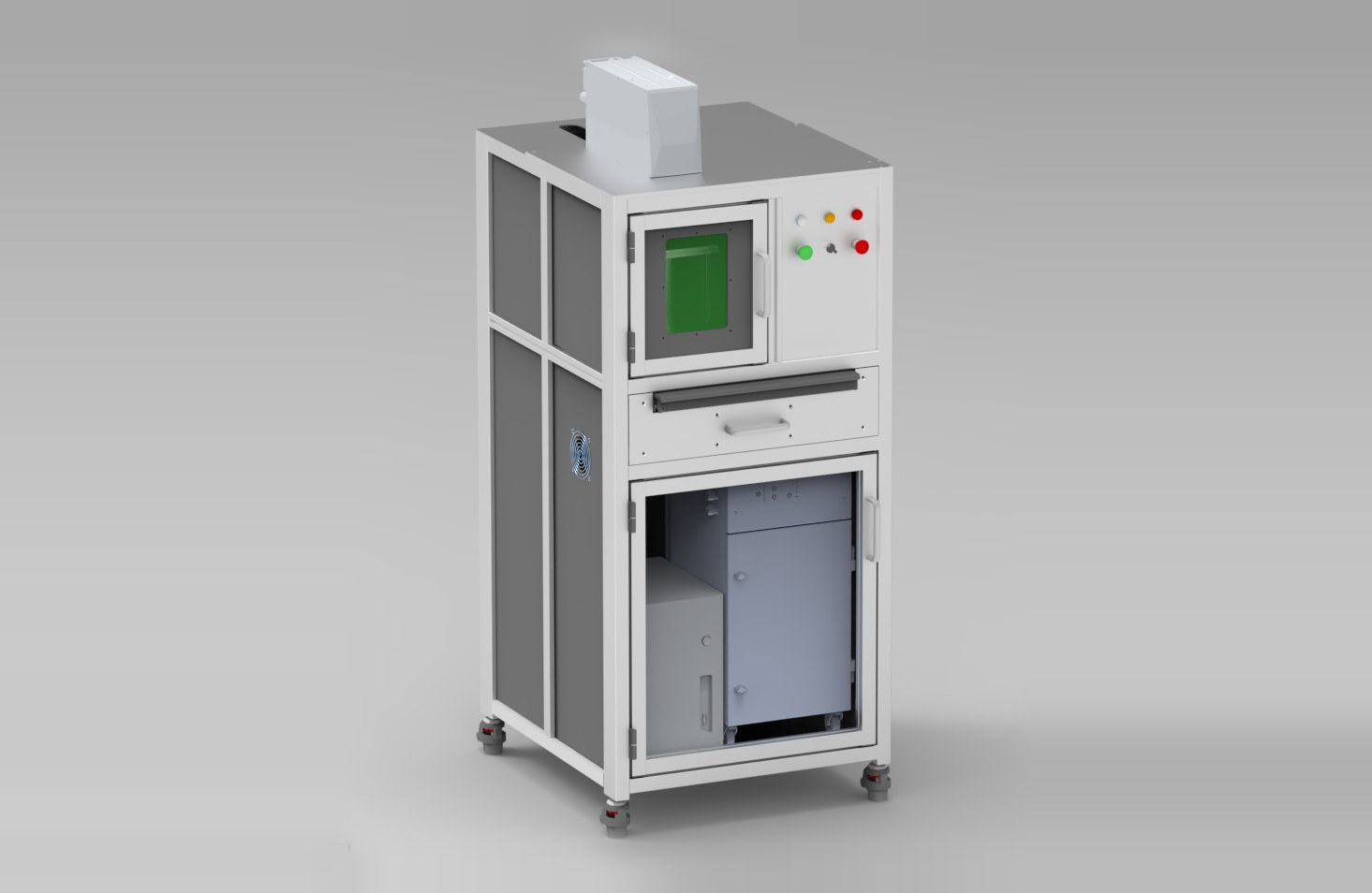
A laser marking enclosure needs to do more than contain the beam. It must let operators load and locate parts, give extraction a clear path from the marking area and provide safe access for cleaning and maintenance. Whether you are buying a standalone bench or integrating a laser into a production line, start with the parts you need to mark and how they will move through the station.
What to include in a laser marking enclosure brief
Send the supplier drawings or samples that cover the full range of parts, not just the most common one. Include materials, coatings, overall dimensions and the position of each mark. Specify what the mark must show and how you will check it. If it is a machine-readable code, agree how it will be read on the actual surface rather than judging it by eye.
Set out how parts will be loaded and how often the product changes. A short marking cycle will not help if the operator spends longer locating the part or adjusting the fixture. For a manual station, check that the largest part can pass through the door with its fixture in place. For an inline station, show where parts enter and leave and who is responsible for the interfaces with the rest of the line.
Specify guarding and extraction together
Guarding must suit the laser, the marking application and the access needed around the station. Ask the supplier how the design contains direct and reflected radiation around doors, viewing windows and transfer openings. Agree what happens when an interlocked door opens and what the operator must do before marking can resume. If the enclosure is going onto an existing line, confirm who will assess and document the safety of the completed installation.
Specify extraction against the materials and coatings being marked. Ask where fumes and particles will be captured, how filters will be accessed and what happens if extraction falls below the required level. Allow room to change filters without moving the station or removing adjacent equipment.
Agree acceptance checks before placing the order
Agree which production samples the supplier will use for the acceptance trial. Include the parts most likely to expose a problem: the largest to load, the hardest to locate and any finish that makes the mark difficult to read. Check the full cycle from loading to unloading, run a product changeover and verify the agreed guarding, interlock and extraction functions. Confirm what documentation and maintenance instructions will be handed over.
STT designs and builds laser marking enclosures and bespoke laser marking machines in-house in Pontefract, West Yorkshire. Our systems use Keyence lasers, BOFA extraction and interlocked doors. If you are specifying a new station or adding laser marking to an existing line, send your part drawings, marking requirements and proposed layout to sales@spectooling.com or call 01977 511799 to discuss the project.