When comparing torque stations for an assembly line, start with what the station must check before it releases a part. Reaching the target torque matters, but so does knowing that the right fasteners were tightened, that every required operation was completed and that any failed tightening was dealt with. Define those requirements before asking suppliers to quote.
What torque stations need to check
Give the machine builder the tightening specification for each joint, not just a single torque figure for the assembly. Identify the fastener positions, the acceptable torque range, any angle limits and any required tightening order. If variants use different settings, define how the station will identify the variant and select the correct programme.
A torque reading within limits does not, by itself, prove that a joint has the required clamp load. Thread condition and friction can affect the relationship between torque and clamp load. Use representative parts and fasteners to validate the tightening method, then agree which measurements the station should use to give a pass (OK) or fail (NOK) result.
Decide what happens when a tightening fails
Walk through an unsuccessful cycle before settling on the station layout. If a tightening falls outside its limits, should the operator be allowed to retry, or must the part go for inspection? Who can authorise a reset? If the process permits rework, specify how the original failure and the rework result will be recorded.
For example, a typical four-fastener assembly might need four accepted results at four distinct positions. Counting four OK results is not enough if the operator can tighten the same fastener twice and miss another. Agree how the station will distinguish positions and how it will prevent an incomplete or failed assembly from moving to the next operation.
Specify the record and the acceptance tests
Decide whether you need one overall result per assembly or a record for each fastening position. If results must follow the part, specify how the station will read its barcode or RFID identifier, where the results must go and what happens if the identifier cannot be read or the receiving system is offline.
Include acceptance tests in the enquiry so suppliers quote against the same requirements. As well as a normal cycle, ask to see the station handle a missed fastening, an out-of-limit result and a restart after an interrupted cycle. Measure cycle time across the full operation, including loading, identification, tightening and unloading, rather than timing the tool alone.
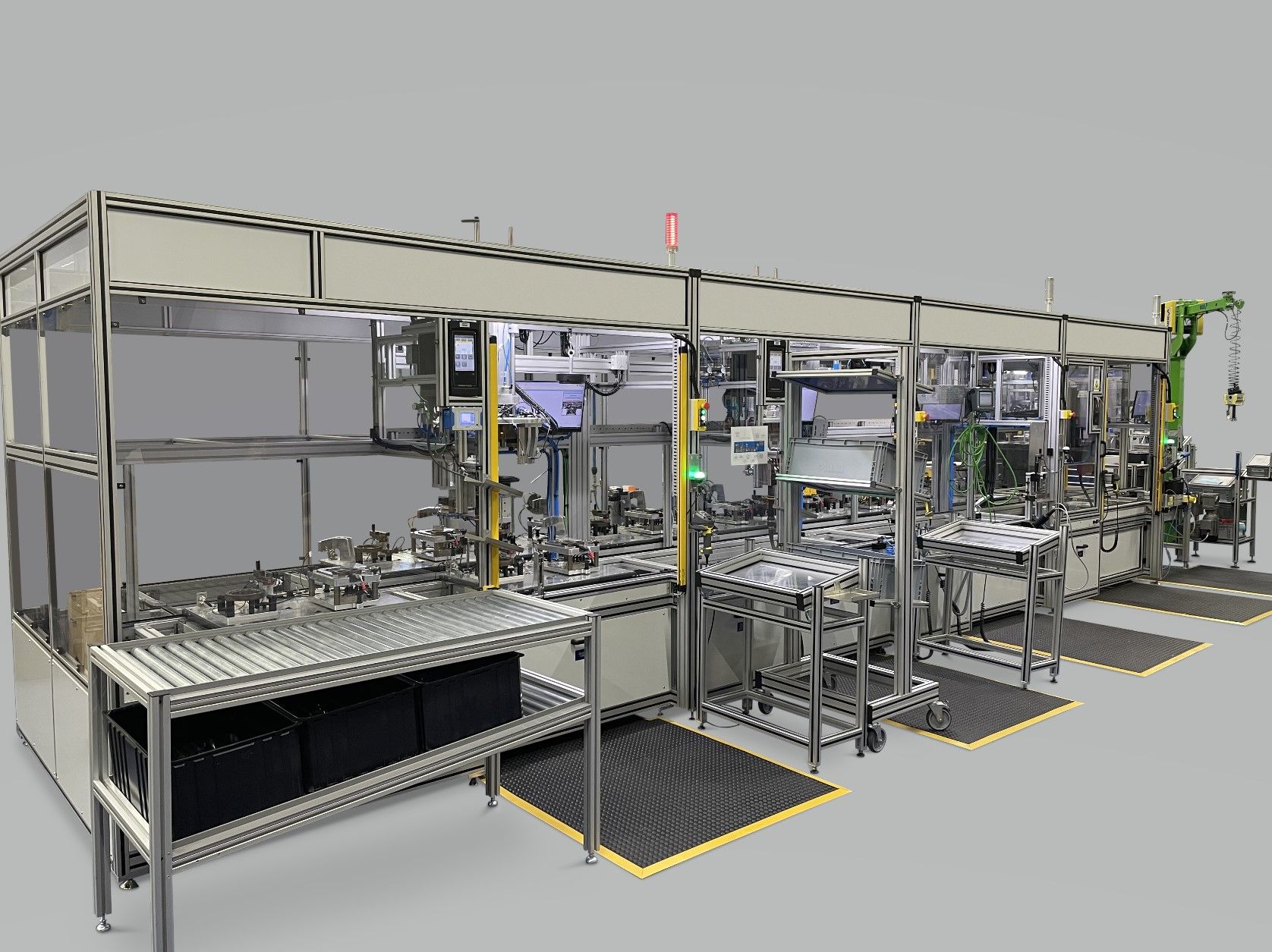
STT designs and builds torque stations and assembly cells in-house in Pontefract, West Yorkshire, using Desoutter tools with OK/NOK validation and RFID or barcode traceability where required. If you are specifying a new station, send your part drawings, tightening requirements and target cycle time to sales@spectooling.com or call 01977 511799 to discuss the project.